How Urban Gardening Can Alleviate Food Insecurity
As food insecurity becomes a pressing issue in Canada, many communities are turning to urban gardening as a viable solution. This article explores how urban gardening can provide fresh produce, foster community resilience, and address local food shortages effectively.
Understanding the Basics of Urban Gardening
Urban gardening refers to the practice of cultivating, processing, and distributing food in or around urban areas. According to a study by the United Nations Food and Agriculture Organization, urban agriculture can significantly enhance food security in cities by reducing reliance on external food sources. This works because local production minimizes transportation costs and can offer fresher, more nutritious options to residents.

"Urban gardens can contribute to food security by providing access to fresh foods, particularly in areas that are food deserts." - Food Security Research Network
The Role of Urban Gardening in Alleviating Food Insecurity
Urban gardening has proven to be an effective approach to combat food insecurity for several reasons:
- Accessibility: Many urban areas lack easy access to grocery stores with fresh produce. Urban gardens can fill this gap, providing fresh fruits and vegetables directly in local neighborhoods.
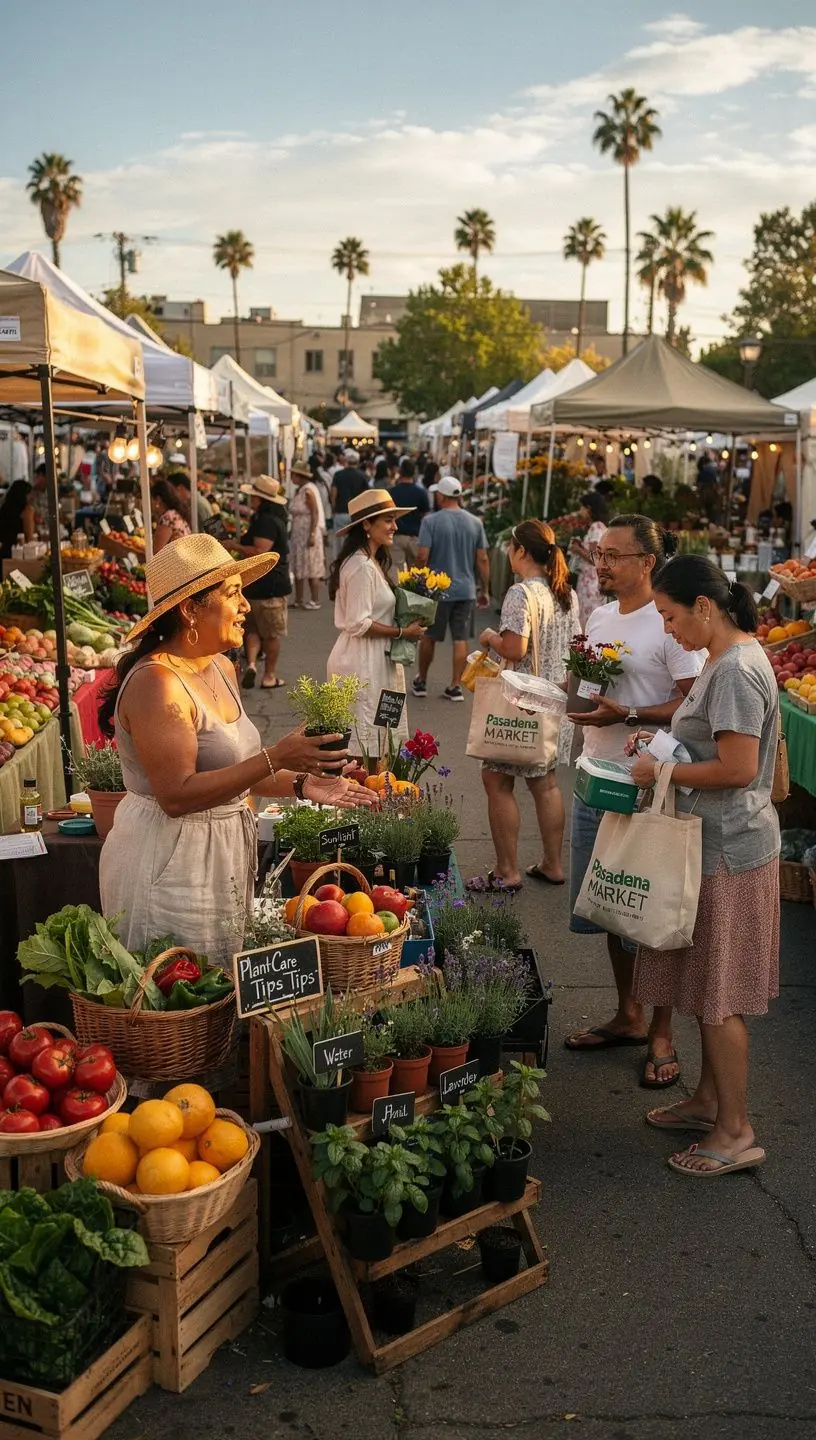
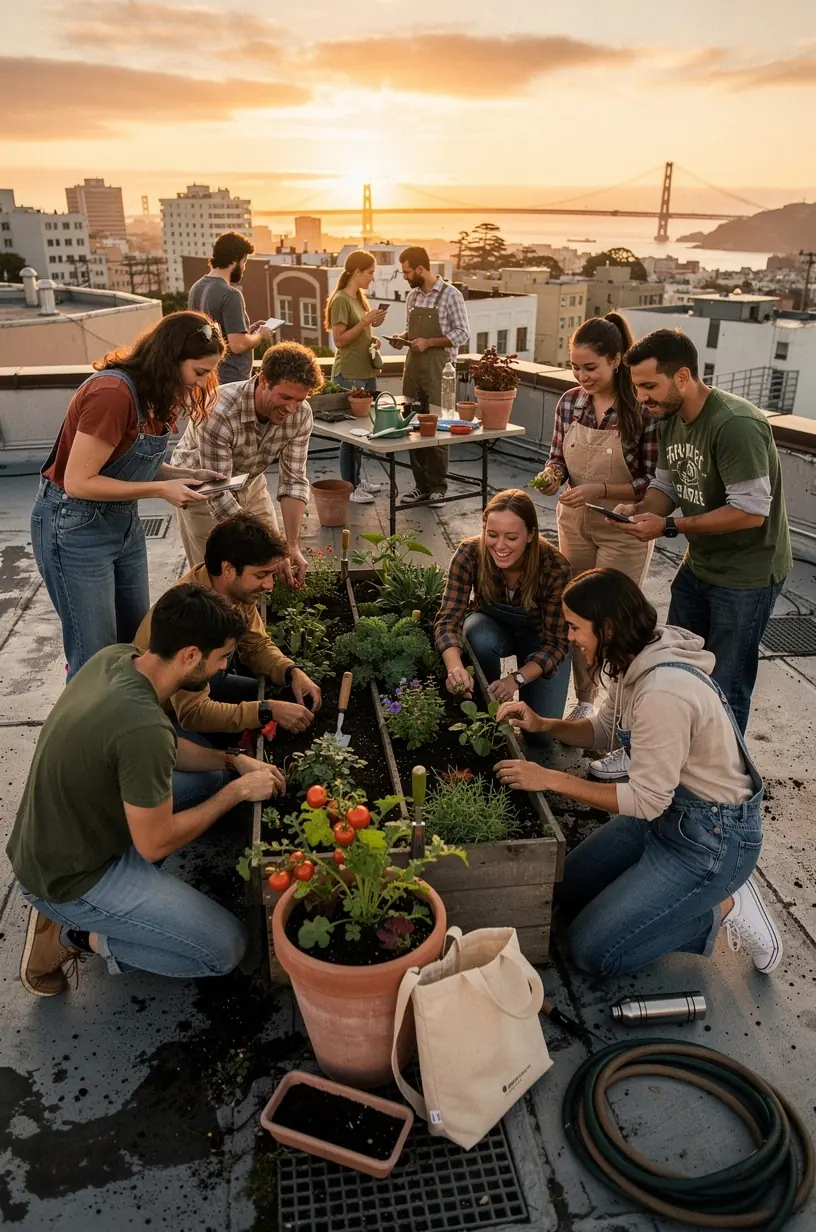
- Community Engagement: Urban gardening often brings together community members. Research shows that community gardens can improve social ties, which in turn can enhance collective efforts to address food insecurity.
- Educational Opportunities: Many urban gardens incorporate educational programs that teach residents about sustainable practices. This knowledge can empower individuals to grow their own food and make informed dietary choices.
Steps to Start Urban Gardening
Starting an urban garden typically involves several steps, which may require time and effort but can lead to significant results:
- Assess Your Space: Identify available land, whether it’s a backyard, balcony, or vacant lot. Community gardens often utilize shared spaces, and many municipalities encourage the creation of these gardens.
- Choose the Right Plants: Research plants that thrive in your local climate. Experts recommend starting with easy-to-grow crops like tomatoes, lettuce, and herbs, particularly in the first growing season.
- Engage the Community: Foster community participation by organizing workshops or meetings. This not only builds enthusiasm but also ensures a variety of skills and ideas are shared, enhancing the garden's success.
- Implement Sustainable Practices: Incorporating organic gardening techniques, such as composting and natural pest control, can improve soil health and yield. Many users report higher satisfaction and better results when following these practices.
Limitations to Consider
While urban gardening offers many benefits, there are limitations to be aware of:
- Time Commitment: Establishing a successful garden can take several weeks to months, depending on the plants and the community’s involvement.
- Initial Costs: There may be upfront costs related to soil, seeds, and tools; however, many community programs provide resources to reduce these barriers.
- Knowledge Requirement: Gardening does involve a learning curve. Beginners might benefit from mentorship or workshops offered by local gardening organizations.
Conclusion
Urban gardening is a practical approach that can significantly contribute to alleviating food insecurity in Canadian cities. By fostering community spirit, improving accessibility to fresh produce, and providing educational opportunities, urban gardens can be an integral part of creating sustainable food systems. While there are challenges associated with starting a garden, the potential benefits often outweigh the effort involved. For those looking to make a difference in their communities, urban gardening could be a reliable solution.
Learn More