Practical Strategies for Building Resilient Neighborhoods
Building resilient neighborhoods is crucial for fostering community strength and sustainability. This article discusses practical strategies that can empower residents and enhance local problem-solving efforts.
Understanding the Importance of Resilience
Resilient neighborhoods are characterized by their ability to recover from challenges, whether they be economic, environmental, or social. According to research from the National Institute of Standards and Technology, communities that engage in proactive planning and development typically experience improved stability during crises.

"A resilient community is one that can adapt and thrive amidst change." - Community Resilience Expert
Key Strategies for Building Resilience
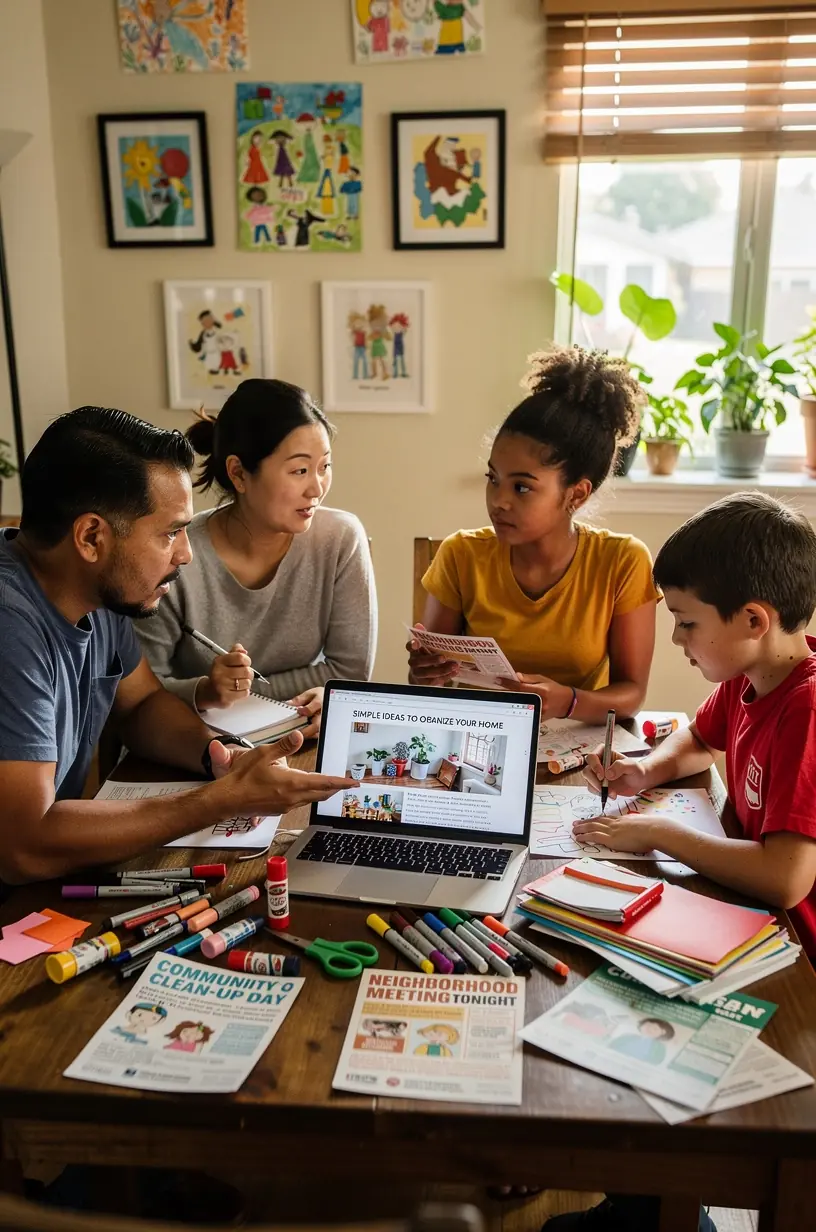
- Foster Community Engagement: Encouraging participation in local decision-making processes can help residents feel more invested in their neighborhoods. Studies show that communities with higher engagement levels often report greater satisfaction and lower crime rates.
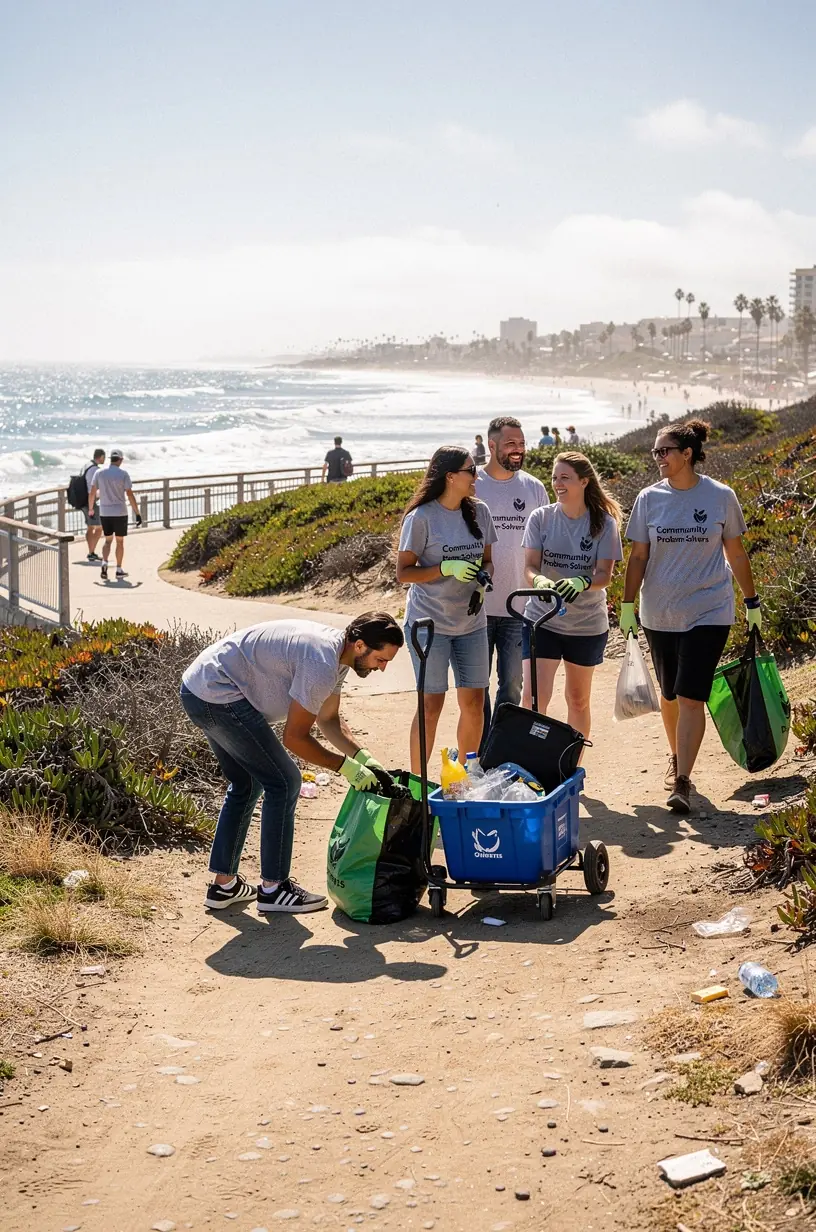
- Promote Sustainable Practices: Implementing sustainable practices, such as community gardens and energy efficiency programs, not only benefits the environment but also strengthens community ties. Experts recommend starting with small, manageable initiatives to build momentum.
- Invest in Infrastructure: Ensuring that local infrastructure meets the community's needs can significantly impact resilience. For example, improving public transport options often leads to increased accessibility, which can enhance economic opportunities.
Implementing These Strategies
To effectively implement these strategies, it’s essential to consider the following steps:
- Assess Community Needs: Conduct surveys or hold community meetings to understand the specific needs and desires of residents.
- Develop Action Plans: Work collaboratively to create action plans that prioritize projects based on community feedback and available resources.
- Monitor and Adapt: Continuously track progress and be open to adapting strategies as necessary. Research indicates that communities that remain flexible in their approaches tend to achieve better long-term outcomes.
Conclusion
Building resilient neighborhoods requires dedication and a proactive approach. By fostering community engagement, promoting sustainable practices, and investing in infrastructure, residents can create environments that not only withstand challenges but thrive despite them. Remember, the process typically takes time and effort, but the results can lead to stronger, more united communities.